
< BACK TO ARTICLES 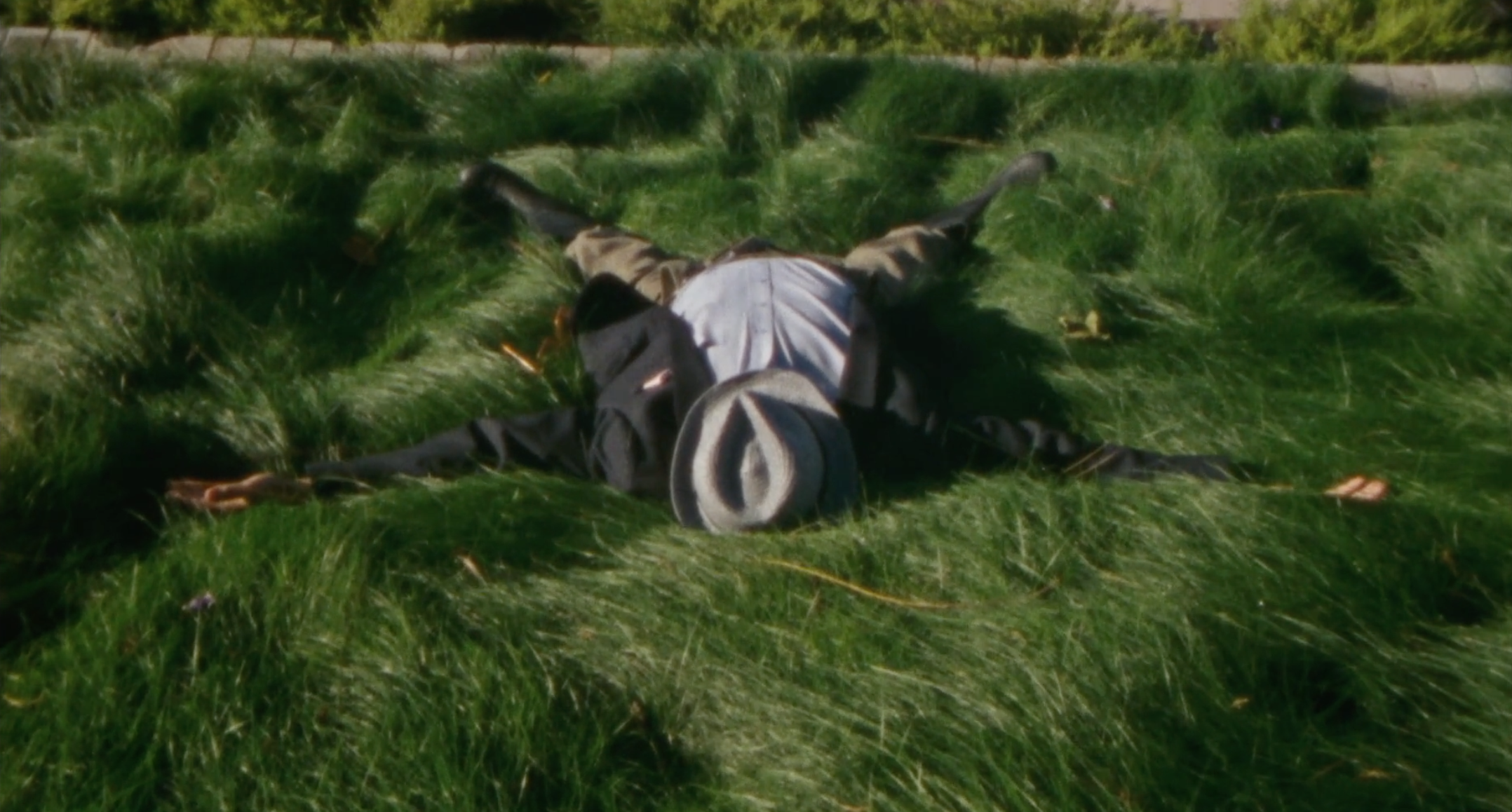
After That (2026) by Xinhao Lu and Mufeng Fan Short Film Review
March 13, 2026 6 views
EntertainmentLocal News
Xinhao “Violet” Lu is a Los Angeles based Asian writer and director. His most recent work, “Deep Into the Forest”, premiered at the 2024 Tribeca Festival and the 9th CAA Moebius Film Festival, and has also been officially selected by numerous international festivals. His dark comedy short “Red Man” won Best Experimental Film at the 2023 LA Shorts International Film Festival. Prior to earning his MFA in Directing from the AFI Conservatory, he studied Finance at Tianjin University of Finance and Economics in China. His work frequently explores the impact of historical moments on ordinary people while also addressing issues of social inequality.
Mufeng Han is a cinematographer and director, with “After That” marking his second directorial effort following the short “Blue” in 2018. The short is set to premiere at the Slamdance Film Festival.
According to the narration, which unfolds in the second person, a man is enjoying the sun as we see him lying on the grass. Soon afterward, the man, Xinhao, gets up and begins roaming around an uninhabited city of the future. It soon becomes clear that he has not returned to the place for twenty five years. A visit to the river brings memories of the past, while a park filled with animal statues triggers similar recollections.
Gradually, it is revealed that the city has been rebuilt after the Third World War, although it remains empty, and the spaceships that once left the Space Center never returned, along with the woman he loved. As he remembers more about her, he suddenly starts dancing among the power cable towers. Shortly afterward, however, an aircraft lands nearby. A visit to his old car closes this strange journey, as the final images show the man lying down.
Shot on a Super 8 camera, the work essentially has Xinhao Lu recording co-director Mufeng Han while he is filming with the aforementioned camera. Overall, the approach is experimental, with the narrative moving somewhere between the visual poem and the travelogue, while the twist of placing the story in a dystopian future adds an additional layer.
A sense of melancholia emerges from almost every scene, channeled through the old man’s loneliness and his evident regrets about the past, while the music further strengthens this atmosphere. At the same time, the performance by Jim Lau, even though completely silent, conveys the same sense of sadness. This element ultimately aligns with the style of narration, which further enhances the overall mood.
The directorial approach is clearly experimental. Nevertheless, the commentary on loneliness, regret, and the people left behind is communicated effectively, anchoring the short in a way that makes it more approachable. At the same time, there is an inherent beauty in the various locations, with the cinematography capturing the emptiness of the city in a particularly striking manner. Finally, Reggie Zhao’s editing results in a pace that could be described as oneiric, which ultimately shapes the overall atmosphere.
Although not for everyone, the artistry and emotion of “After That” make it a rather engaging experience, as the work ultimately moves somewhere between cinema and installation.
Tags:After ThatJim LauMufeng FanXinhao Lu
Original source
Read original article on Asianmoviepulse.com