
< BACK TO ARTICLES 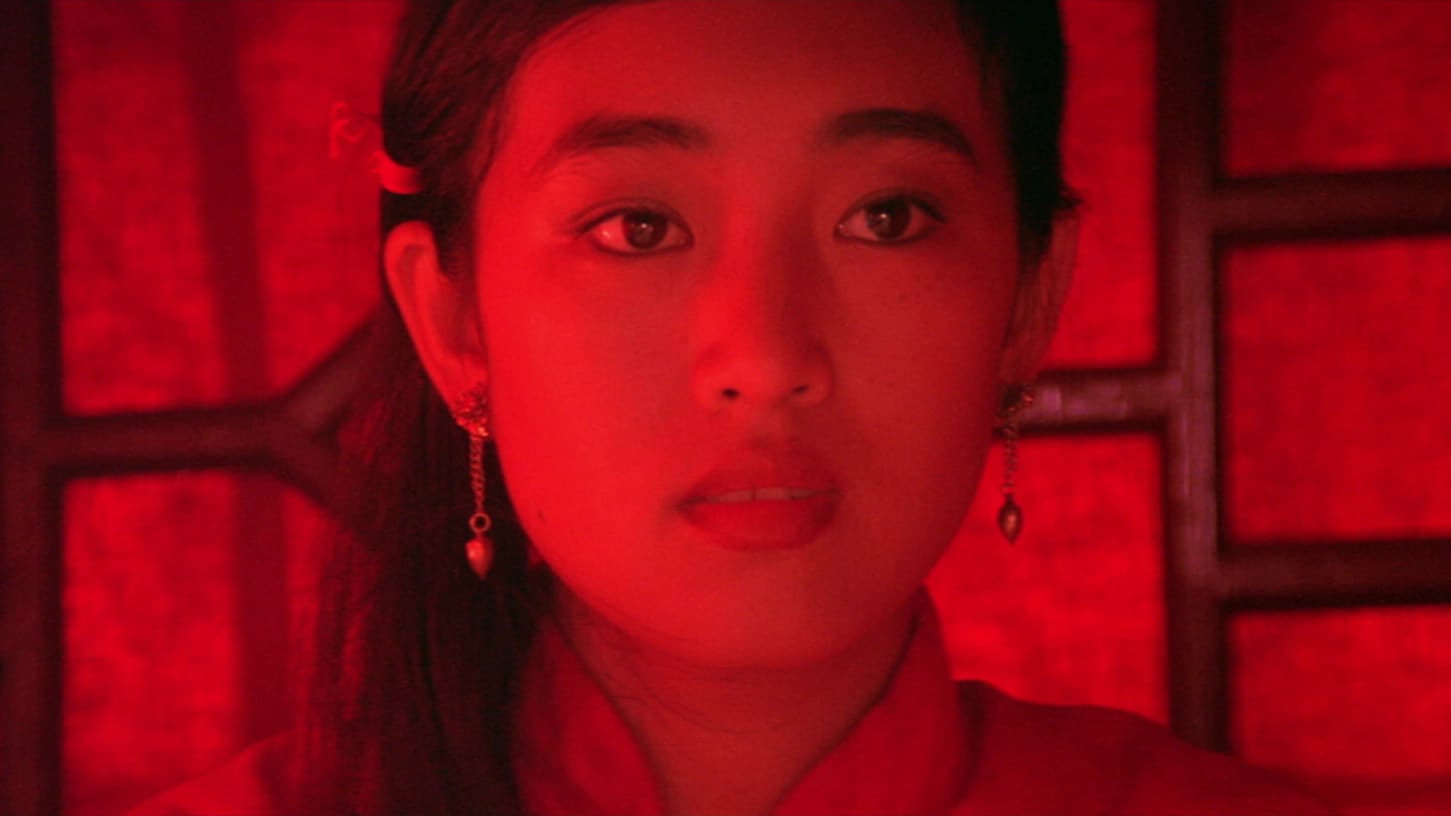
HKIFF50 to Celebrate Chinese Cinema With Special Tribute Programme
March 4, 2026 19 views
EntertainmentLifestyle
To celebrate its 50th anniversary, the Hong Kong International Film Festival (HKIFF) will present a specially curated programme, Revisiting Chinese Cinema: The Beginning of a New Journey, showcasing twelve timeless Chinese-language classics that the festival has championed over the years.
As part of the programme, HKIFF is delighted to welcome filmmakers Chen Kaige, Tian Zhuangzhuang, Huang Jianxin, Tsai Ming-Liang and Ann Hui to participate in masterclasses and seminars and share their passion for cinema.
Since the early 1980s, HKIFF has served as a platform for audiences to discover and appreciate the immense talents of a new generation of filmmakers from the Chinese Mainland, Hong Kong, and Taiwan, opening doors for their groundbreaking works to receive recognition at major international film festivals.
The renowned Fifth Generation of Chinese Mainland filmmakers have created a wave of transformative cinema, characterised by symbolic, visually stunning narratives that propelled Chinese cinema onto the international stage. Chen Kaige’s Yellow Earth combines a profound concern for the land and its people with an innovative aesthetic. Zhang Yimou’s Red Sorghum presents a visually lavish folk tale that honours the vitality and resilience of Chinese peasants. Tian Zhuangzhuang’s The Horse Thief powerfully depicts the Tibetan people’s struggle against the relentless forces of nature, religious doctrines, and secular life. Huang Jianxin’s The Black Cannon Incident marks a new chapter in China’s political comedy, satirising paranoia and bureaucratic absurdities.
Hong Kong’s New Wave filmmakers display extraordinary creativity and an experimental spirit. Tsui Hark’s The Butterfly Murders breaks conventions by infusing the wuxia genre with sci-fi elements. Ann Hui’s The Secret captivates audiences with its non-linear structure, expressing humanistic concerns through the clash between tradition and modernity. Patrick Tam’s The Sword pioneers a new form of martial-arts poetry, intertwined with syncopated rhythm and unconventional montage. Meanwhile, Allen Fong’s Ah Ying masterfully tells a real-life story in documentary style, serving as a pivotal allegory for examining Hong Kong’s social transformation and cinematic evolution.
Filmmakers of Taiwan’s New Cinema equally make their mark by transcending genres and forging new cinematic frontiers. Their innovative cinematic language emphasises emotional realism. The anthology film In Our Time, directed by Tao Te-Chen, Edward Yang, Ko I-Chen, and Chang Yi, reflects contemporary life and societal changes. Wan Jen’s Ah Fei opens a new chapter in feminist cinema, challenging gender inequality. Hou Hsiao-Hsien’s Dust in the Wind showcases his trademark long takes and scenery shots, weaving his visions of land and history. Tsai Ming-Liang’s style-defining Rebels of the Neon God captures the desires, passions, and violence of young rebels in search of life’s meaning.
HKIFF50 will run for 12 days, from 1 to 12 April 2026. The full programme will be announced on 10 March.
Revisiting Chinese Cinema: The Beginning of a New Journey will feature the following twelve films:
1979 The Butterfly Murders by Tsui Hark
1979 The Secret by Ann Hui
1980 The Sword by Patrick Tam
1982 In Our Time by Tao Te-Chen, Edward Yang, Ko I-Chen, Chang Yi
1983 Ah Ying by Allen Fong
1983 Ah Fei by Wan Jen
1984 Yellow Earth by Chen Kaige
1985 The Black Cannon Incident by Huang Jianxin
1986 The Horse Thief by Tian Zhuangzhuang
1986 Dust in the Wind by Hou Hsiao-Hsien
1988 Red Sorghum Zhang Yimou
1992 Rebels of the Neon God by Tsai Ming-Liang
Tags:Hong Kong International Deaf Film Festival
Original source
Read original article on Asianmoviepulse.com