
< BACK TO ARTICLES 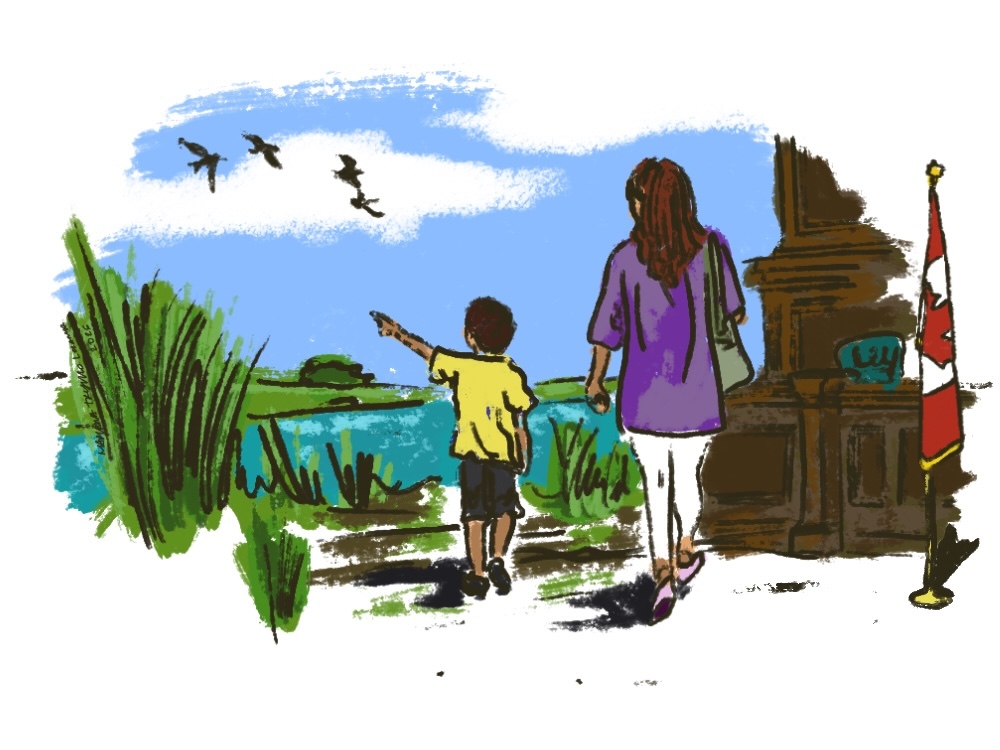
Justice as Trauma Summit: Radical Hope | The Tyee
March 13, 2026 15 views
EntertainmentFinanceLifestyleReal EstateHome GardenCriminal Justice
This article is part of a Tyee Presents initiative. Tyee Presents is the special sponsored content section within The Tyee where we highlight contests, events and other initiatives that are put on either by us or by our select partners. The Tyee does not and cannot vouch for or endorse products advertised on The Tyee. We choose our partners carefully and consciously, to fit with The Tyee’s reputation as B.C.’s Home for News, Culture and Solutions. Learn more about Tyee Presents.
As a society, we consume stories about the justice system constantly: true-crime TikToks, podcasts and courtroom dramas. We think we know what it looks like and could feel like. But fiction always offers a resolution — a verdict, an explanation. There is always someone who pays.
Reality, however, doesn’t work that way. The credits never roll. The trauma that moves through courtrooms, police stations and child welfare offices doesn’t resolve at the end of an episode. Instead, it accumulates — both in the people who pass through those systems and in those who work in them.
Lawyer Myrna McCallum will tell you, without flinching, that she went into law to run away — not toward justice, but away from her pain. As a young woman left deeply traumatized by the Indian residential school system, the foster care system and abuse at home, the TV lawyers she watched growing up resonated with her. She liked how disconnected, dissociated and dehumanizing they were. It was familiar to her, after all.
McCallum became a criminal defence lawyer, then a prosecutor. She was good at it. She was also, by her own account, brutal. When clients broke down in interviews, she’d tell them to park their emotions.
No TV drama could have prepared her for what came next: a file landed on her desk that stopped her in her tracks. A six-year-old child had been seriously harmed. His family was devastated. And somewhere in that file, McCallum saw herself in him and made a decision she hadn’t made before: to show up differently. She drove three hours north on a bad road on a Sunday, sat with the family over coffee and bannock, and took the boy for a walk by the creek. They talked about the birds flying in the sky, and he told her everything — more than what was in the police report, because he felt safe.
After the trial, his family called to thank her. “We asked around,” they said. “We’ve never heard of a prosecutor doing what you did.” Her response was simple: legal practice has to change. This marked the beginning of her education in trauma, neuroscience, emotional intelligence and healing.
In 2020, McCallum launched The Trauma-Informed Lawyer podcast. Her first guest, Dr. Gabor Maté, helped spark what would become an entirely new career path for her.
In 2023, McCallum founded Justice as Trauma, taking on the financial risk herself and funding the gathering largely from her own personal savings, with little to no external support.
And people came from across the globe. They arrived to find a conversation they had been searching for but had never found — a gathering not only about case law or courtroom strategy, but one that asked those who run legal and administrative systems to do the hardest work of all: to face themselves.
As the U.S. writer and civil rights activist James Baldwin once said, “Not everything that is faced can be changed, but nothing can be changed until it is faced.”
At the past two events, the summit has shown that the work of humanizing our processes does not belong solely to legal professionals. It belongs to anyone whose work brings them into contact with other human beings and their suffering.
Healing, cultural responsiveness, equity and stronger relational competencies are essential to the future of every field that serves people — especially for those who lead, uphold and participate in these systems.
Justice as Trauma returns this April at a moment when hope itself can feel like an act of defiance. Anti-immigration legislation is advancing, gender-based violence remains epidemic, and Indigenous sovereignty and trans rights continue to face attack. At the same time, the mental health and well-being of leaders, staff, judges, law enforcement and lawyers is under constant strain, overlooked amid crushing schedules and public pressure. And still, the machinery of justice continues to produce harm.
Radical hope is the answer to exhaustion. Not hope as denial but as a commitment to our own humanity — a daily decision to stay present, to keep showing up and to refuse the seduction of cynicism. In 2026, that kind of hope isn’t optional. It’s a critical, foundational requirement to getting up every morning.
Hundreds of lawyers, judges, social workers and community leaders are choosing right now to change themselves so they can change the systems they are part of. Change doesn’t start somewhere else or with someone else; it starts with us.
McCallum, now widely known as “the trauma-informed lawyer,” has dedicated her life to guiding this transformation. Through her podcast, training programs, speaking engagements and the summit itself, she continues to invite others to face themselves and lead with humility and humanity.
This is the room where hope becomes measurable in the people who keep showing up to make the system more human, and who prove that hope is not just a feeling, but a force.
Justice as Trauma 2026: Radical Hope takes place in Vancouver from April 7 to 9 at the Westin Bayshore hotel. Tickets are currently buy one, get one 50 per cent off, and can be purchased at: www.myrnamccallum.co/jat2026.
This article is part of a Tyee Presents initiative. Tyee Presents is the special sponsored content section within The Tyee where we highlight contests, events and other initiatives that are put on either by us or by our select partners. The Tyee does not and cannot vouch for or endorse products advertised on The Tyee. We choose our partners carefully and consciously, to fit with The Tyee’s reputation as B.C.’s Home for News, Culture and Solutions. Learn more about Tyee Presents.
Original source
Read original article on Thetyee.ca