
< BACK TO ARTICLES 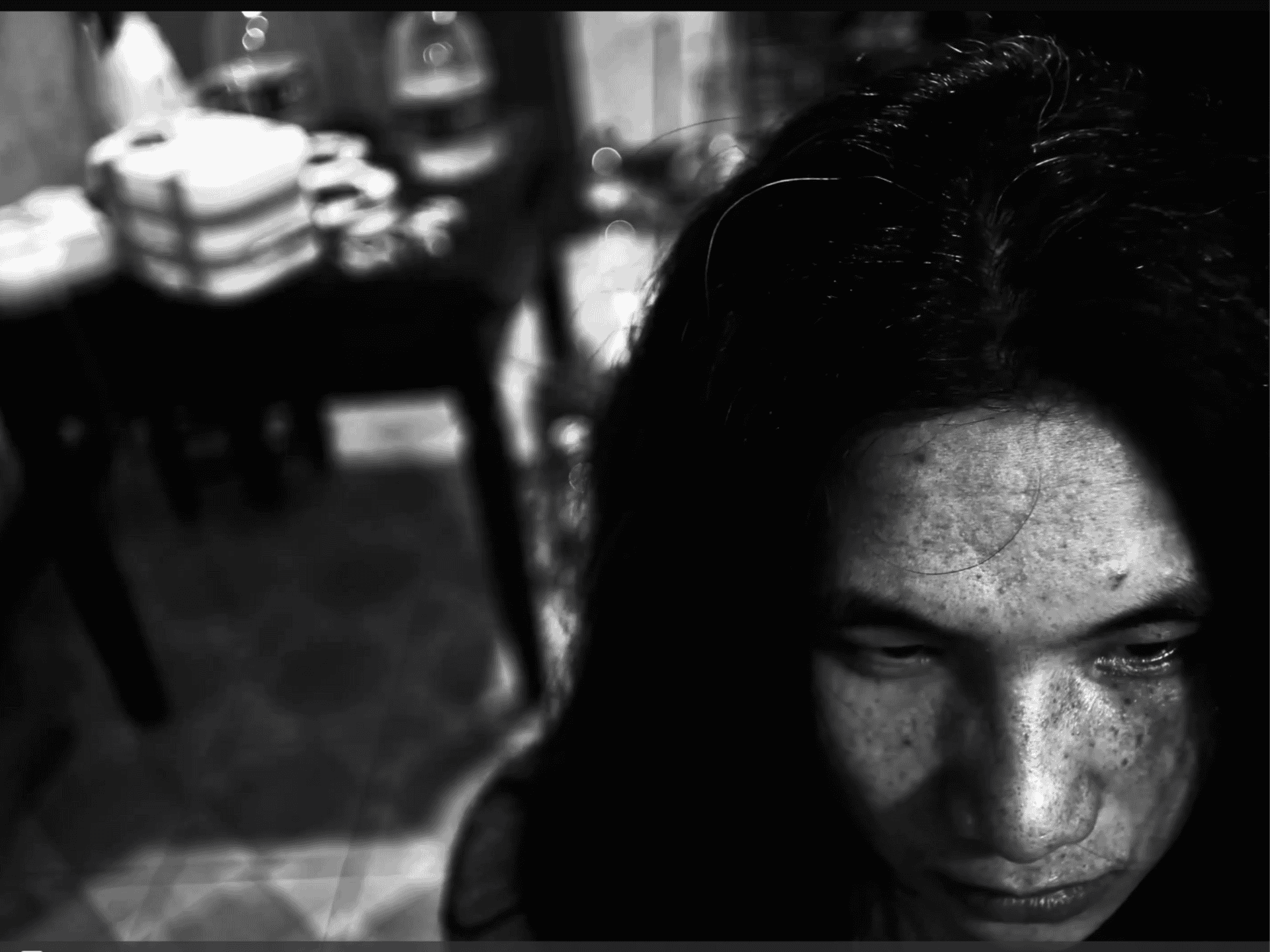
Leaving the Zoo at Nightfall (2021) by Lei Kai Po Film Review
March 20, 2026 6 views
Entertainment
“Leaving the Zoo at Nightfall” is a “typical” independent film from the People’s Republic of China, the kind that has been appearing in large numbers and of surprisingly high quality for several years now. The original title is “Bangwan likai dongwuyuan,” which is quite close to the English translation. It was directed by Lei Kaipo, about whom little is actually known, except that he was born in 1998 in Nanchang, the capital of Jiangxi Province. From this, one can deduce that he made this film at the age of 23. That alone makes “Leaving the Zoo at Nightfall” remarkable.
Watch This Title on CathayPlay by clicking on the image below
It can best be described—as mentioned above—by placing it alongside other compelling films from the incredibly talented young Chinese film industry. One film that immediately comes to mind is the wonderful and painfully sad “An Elephant Sitting Still” (2018), whose young director, Hu Bo, tragically took his own life after completing the film. Both films share, among other things, the prominent thematic element of the zoo — a subject that also appears in several other films, most recently in Guan Hu’s “Black Dog” (2024).
Moreover, both films represent a trend in Chinese indie cinema that is explicitly aimed at a young, urban audience and is also set in such a milieu. Specifically, Lei focuses on four young people who have just graduated from high school and are living from day to day. Their future seems uncertain or undecided. The focus is initially on the young Kele (meaning “Cola” or “Coke” in English) and his girlfriend Wen, whose relationship, however, seems unlikely to last, as Wen makes unequivocally clear to Kele. And there are their friends, Xiao Kang and Po. The latter, not least because of the shared name, appears to be the director’s alter ego. And Po’s favorite pastime is photographing random people on the street—another clue pointing to a (budding) filmmaker.
“Leaving the Zoo at Nightfall” is captivating on several levels: A very fitting, rather subdued score accompanies the film almost continuously, interrupted only by loud techno/disco music when the youngsters go to a club in the evening (which they do quite often). The voice-over, which alternates between the different characters, is exceptionally well-written and describes them very effectively—each voice narrates about the others, with only rare instances of first-person narration. The things that are said are often quite insightful and even poetic. For example, there’s a beautiful sequence when Wen quotes from the Indian poet/philosopher Rabindranath Tagore: “When you leave the past and the yesterday behind, your dreams become transparent and your steps become light.”
The most striking aspect, however, is the visual level: While saying “Wong Kar-wai” isn’t entirely wrong, it would be unfair to reduce the film to just that. It boasts a wealth of brilliant ideas, truly exquisite images—sometimes in black and white, sometimes in color, sometimes in time-lapse, sometimes stretched, and featuring numerous dissolves and double exposures. But director Lei also possesses a keen eye for “cool” motifs and for his hometown and its inhabitants. In long sequences where the camera roams the city, the film takes on a documentary quality that transcends the fragmentary story between the four young people. Plus, films, there are spectacular shots of fireworks (another recurring indie film motif) or burning grass on a riverbank, as well as scenes in the rain. Yet not everything is revealed; some things remain intriguingly “enigmatic.”
The film seems to have remained within China’s borders, which is a real pity. One can only hope that we will hear more from the young filmmaker Lei Kaipo in the future. This particular showcase of his talent has certainly been a success.
Tags:Leaving the Zoo at NightfallLei Kaipo
Original source
Read original article on Asianmoviepulse.com