
< BACK TO ARTICLES 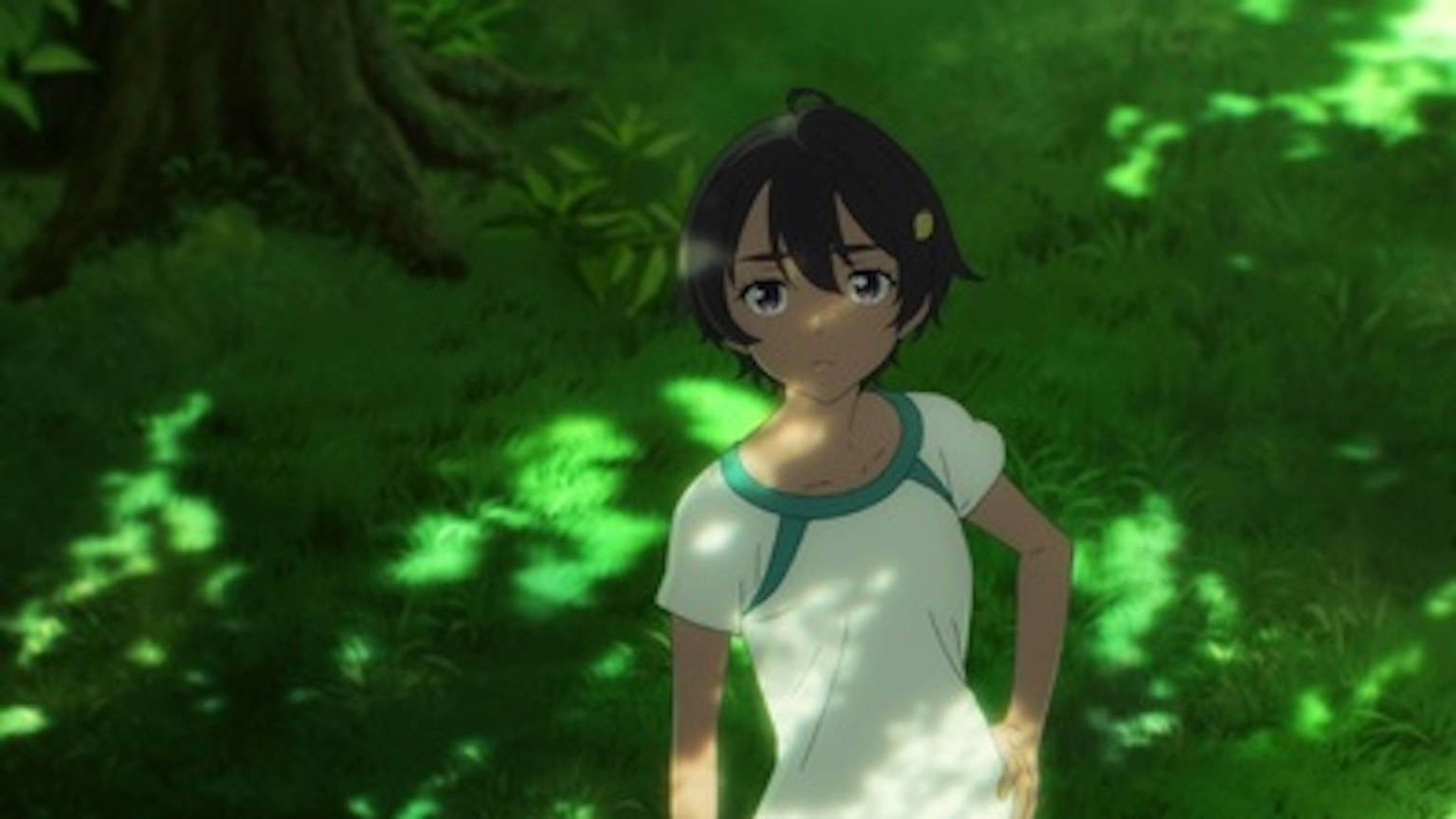
Makeine: Too Many Losing Heroines (2024) by Shotaro Kitamura Anime Review
March 2, 2026 16 views
EntertainmentArts
From the first camera take of “Makeine: Too Many Loosing Heroines” one of the highest emotions aroused by the anime is a clear nostalgic feeling. This is because, in his debut as a series director, Shotaro Kitamura portrays Toyohashi in summer and the heartbreak of the heroines in ways that surprise and amuse.
Watch This Title on Crunchyrollby clicking on the image below
Kazuhiko Nukumizu strolls into a cafe with a drink in hand, pleased with the new manga he is getting hooked on, when he is abruptly interrupted by an argument between his two classmates, Anna Yanami and Sosuke Hakamada. In fact, Anna urges and convinces Sosuke to immediately go and say goodbye to Karen Himemiya, the classmate who loves him and is about to move to England.
Shortly after, Kazuhiko and Anna exchange embarrassed glances when she, now alone, decides to drink the beverage that Sosuke left on the table through his straw. Then, she sits down at Kazuhiko’s table and, as she drowns her sadness in a cup of rosehip tea and a plate of fries, confides in him the story of her unfulfilled love dream. Meanwhile, as he listens to her carefully, Kazuhiko finds himself offering her even more food, eventually catching a glimpse of a smile on the face of the companion who has courageously stifled her feelings for Sosuke’s happiness.
From that moment on, they share their lunch breaks on the fire escape of the old school building, where Anna offers Kazuhiko the bento she has cooked to repay him. It is on the roof of the same building that, while observing the tears streaming down Anna’s face and carried away by the wind, Kazuhiko decides to follow the example of this heroine and confront the passivity in his own life, which risks making him lose what truly matters.
The vivid depiction of these summer days, full of discoveries and adventures, gives the anime a distinct feel and rhythm, further enhanced by the punchline included in each episode.
The concerted efforts of Aoi Otani and Keigo Arihara, who polished and solidified the visual board, together with Yuki Hatakeyama, who used the visual board as a base to develop the rich background art, and Youhei Miyawaki, who enhanced the resolution of every detail starting from a photo layout, all contribute to creating a work of art that resonates with the audience. In fact, the spectacular sunsets, the sound of summer rains, the pan shots of the turquoise sea, the sparklers at night, the lightning inside the classroom, the thick, sultry green of the lush trees, the song of the cicadas, Toyohashi City Library, and the night markets of the city all faithfully represent scenes in a place where it is possible to return.
It is the time of the Toyohashi summer that will never return. It can only be accessed through memory and feeling, but it can never truly be recovered. Just as the losing heroines are driven by the need to fulfill their desire for love, the viewer is led to wonder whether it is possible to regain that authenticity of life and intensity of feeling. For both, it becomes a painful journey aimed at rediscovering what is missing.
The series shines for the mastery of the animators of A-1 Picturesin capturing moments of soul-bearing revelation from the main characters with careful camerawork. By framing their confessions and most vulnerable moments, the story never feels weighed down; instead, it becomes an ensemble piece, with each of the three main heroines, at various points in the story, displaying a sincerity and poignance that go straight to the heart.
Masahiro Yokotani deepens the viewers’ empathy for the characters by composing a plot that explores the relationships between them and shows how the heroines struggle to overcome the reality that their feelings are not reciprocated. And if you are wondering how many of the laughs come from wordless bits of business, it is clear that we must credit Tetsuya Kawakami for his brilliant character design, particularly in capturing the facial expressions of Lemon Yakishio and Anna Yanami during the comedic moments.
“Makeine: Too Many Losing Heroines” strikes deeper notes early on while also presenting scenes brimming with comic energy. The nostalgia woven throughout the series reminds us that certain moments of life unfold in the tension of reclaiming a lost dimension. Yet, regardless of the outcome of these attempts, the anime encourages us to recognize the times when we choose not to let what has not happened, take away from us what can still occur.
Tags:Aoi OtaniKeigo AriharaMakeine: Too Many Losing HeroinesMasahiro YokotaniShotaro KitamuraTetsuya KawakamiYouhei Miyawaki
Original source
Read original article on Asianmoviepulse.com