
< BACK TO ARTICLES 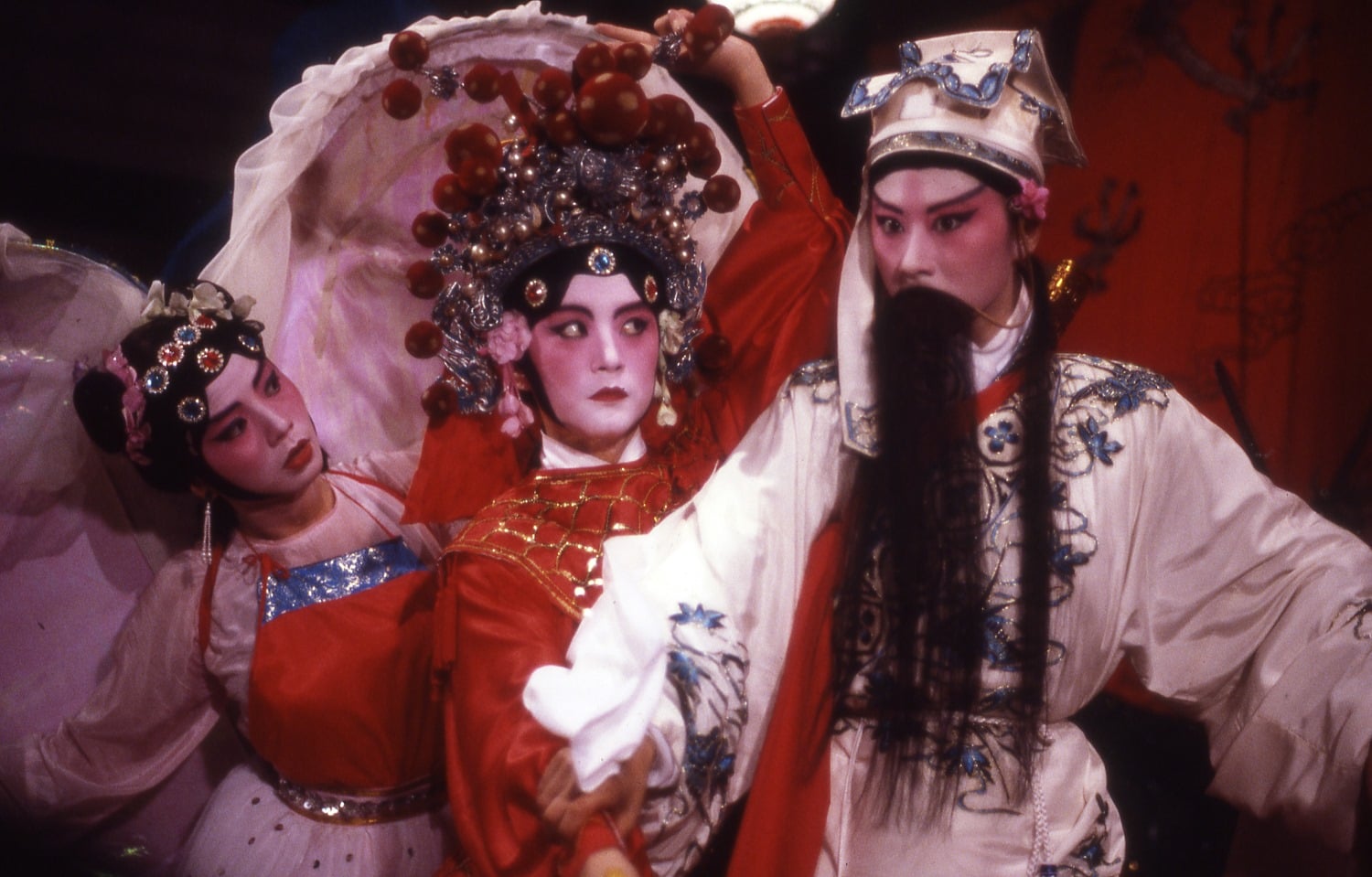
Peking Opera Blues (1986) by Tsui Hark Film Analysis
March 5, 2026 18 views
EntertainmentLifestyle
“Peking Opera Blues,” natively titled “Dao ma dan,” is the kind of film that can be enjoyed as a thrilling action-comedy, yet, upon closer examination, reveals itself as a richly layered movie. Director Tsui Hark drew on his long-standing admiration for traditional Chinese theater while setting the feature in the aftermath of the Xinhai Revolution, when the collapse of the Qing dynasty ushered in a turbulent transitional era in China marked by a clash between emerging democratic ideals and lingering imperial mindsets. This creative move allowed reflection on the historical period while echoing the lingering political uncertainty contemporary audiences could recognize and connect with.
Buy This Titleby clicking on the image below
In 1913, Beijing is in disarray as regional tyrants vie for dominance, while the president of the Republic of China, Yuan Shikai, plans to restore the monarchy and assume the position of emperor. It is then that the lives of three women intertwine at the local Peking opera house, where female performers are prohibited from taking the stage. We have Tsao Wan, General Tsao’s daughter, an undercover revolutionary who cross-dresses to maneuver through a male-dominated society; Bai Niu, an aspiring Peking opera performer who is constantly belittled by her father, the head of the local opera troupe; and Sheung Hung, a wandering musician determined to secure her fortune.
As the spirited trio becomes close friends, they join forces, along with freedom fighter Ling Pak-Hoi and disillusioned soldier Tung Man, combining wits and strength to defend the emerging Chinese republic and its democratic ideals against corrupt, power-hungry government officials and warlords.
There’s plenty to take in with Hark’s direction and Raymond To’s script, but never to a point of detriment, as the stakes remain clear, and the distinctive genre blending only enhances its overall appeal. With its historical backdrop and the integral presence of Peking opera in the narrative, the movie seamlessly blends heightened theatrical artifice with lived reality. That theatricality correlates beautifully with the film’s kinetic action, including its acrobatic martial-arts choreography and emphatic gunplay, placing it in the tradition of 1980s Hong Kong cinema, particularly the popular “heroic bloodshed” genre. Even so, Hark still knows when to step back, letting the audience breathe, and the characters develop naturally, with its calmer moments proving just as impactful as its chaotic ones.
Adding to this genre-mashing is the expert handling of shifting tone, with a generally playful, light-hearted first half giving way to a darker, more dramatic and intense second half, all while maintaining a strong sense of cohesion. For one, the film is funny, with humor that primarily comes in the form of well-timed slapstick, humorous banter, and farcical situations that consistently land. Moreover, the friendship that develops between the three leads is genuinely heartwarming, offering moments that are touching and endearingly human. Still, the movie never lets the audience forget the brutality of this period in Chinese history, including moments of genuinely gruesome violence, as the trio of women navigates this treacherous political landscape as they challenge repressive patriarchal norms of the time and rebel against corruption.
The politically charged relevance of “Peking Opera Blues” further enhances the film’s overall depth. Around the time of the film’s production, Hong Kong was marked by widespread anxiety about its future amid negotiations over the 1984 Sino-British Joint Declaration, with fears of lost freedoms, economic collapse, and authoritarian rule ahead of the 1997 handover from Britain to China. Hence, Hark’s choice to set the film during the 1913 warlord era, a period of political chaos following the collapse of the final imperial dynasty, is particularly effective, as it allows reflection on a previous historical moment while simultaneously mirroring contemporary events. Furthermore, “Peking Opera Blues” proves multilayered and timeless in more ways than one.
Hark presents a strongly anti-authoritarian perspective, depicting strongman figures such as warlords and government officials as callous, cold, and deceitful opportunists seeking to seize power for personal gain, emblematic of systemic corruption within unstable political institutions. Yet he also conveys hope through resilience against oppression, with the heroes uniting for a common cause and defying corrupt authority, emphasizing independence while presenting cultural identity as rooted in the individual spirit rather than in the policies of the ruling hierarchy. In challenging patriarchal power, the film subverts traditional gender norms as its three female protagonists are strong-willed women who navigate a male-dominated world, asserting agency to shape their destinies. Beautifully encompassing all these elements, Peking opera, beyond its literal and visual presence in the story, is a metaphorical performance that simultaneously symbolizes chaotic political upheaval and the subversion of tradition.
Tsao Wan, Bai Niu, and Sheung Hung shine as leads, each with distinctive personalities and sharing razor-sharp chemistry, brought vividly to life by fantastic performances from Brigitte Lin, Sally Yeh, and Cherie Chung. Their male comrades are also a lot of fun, with Mark Cheng balancing coolness and charm as fellow revolutionary Ling-Pak Hoi, and Cheung Kwok Keung is surprisingly earnest as rogue soldier Tung Man. As for the villains, General Tsao establishes himself as a ruthless warlord, yet his role as a loving father to Wan adds complexity, which Kenneth Tsang skillfully balances. In contrast, Ku Feng, as Commander Looi, is more overtly deceptful, sinister, and unforgiving, and proves to be an equally compelling antagonist. Other supporting actors, including Wu Ma and Paul Chun, also make the most of the material they’re given.
As previously mentioned, the action sequences are intense. Notably, the three lead actresses performed most of their own stunts, making the sequences they are involved in even more impressive. Overall, the film is visually stunning. From its vibrant colors to the elaborate costumes and intricate set pieces, every frame is a feast for the eyes, beautifully captured by Hang Sang Poon’s superb cinematography. James Wong’s marvelous music score complements the movie’s style and tone, while the songs sung by Sally Yeh are absolute bangers.
From its zany comedy to its fast-paced action sequences, “Peking Opera Blues” is pure high-energy entertainment that’s vibrant, stylish, and irresistibly exhilarating. Moreover, it functions as a brilliant social satire, thematically multilayered and, even with its strong cultural identity, strikingly universal. It helps that the film is a visual delight and elevated by standout performances, especially from its three female leads.
Tags:Arrow FilmsBrigitte LinCherie ChungCheung Kwok KeungKenneth TsangKu FengMark ChengPaul ChunPeking Opera BluesSally YehTsui Harkwu ma
Original source
Read original article on Asianmoviepulse.com