
< BACK TO ARTICLES 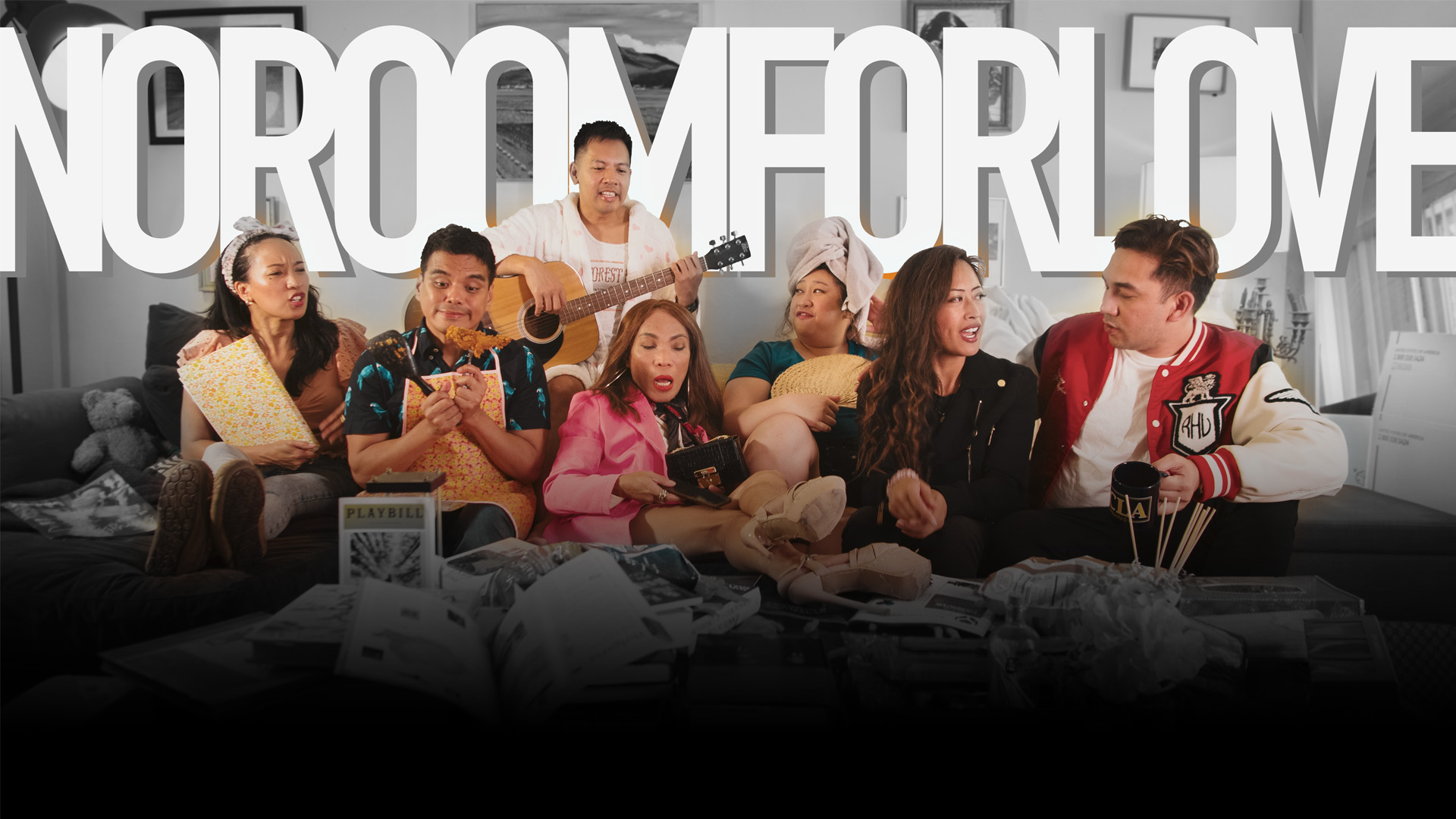
Randal and Malou Kamradt on No Room For Love
March 4, 2026 19 views
EntertainmentLocal NewsLifestyleArtsHome Garden
Randal and Malou Kamradt’s upcoming feature “No Room For Love” may now be headed for its world premiere at the Cinequest Film & Creativity Festival, but its origins were far more intimate. As the duo revealed in an interview with Asian Movie Pulse, the film began not as an industry-driven project but as a creative gathering among friends in Los Angeles.
The idea first emerged while attending cultural events within the Filipino American artistic community in LA. Malou explained that she envisioned bringing together the creatives they regularly collaborated and socialized with into a single story. She described it as reflecting their lives as artists in Los Angeles, struggling, hustling and doing their best to create art. The initial concept centered on a family living in a small apartment, mirroring the high cost of living in Los Angeles and the shared spaces many artists occupy while trying to break into the industry.
Originally conceived as a short film, the project gradually expanded into a feature. Randal noted that the first version was intentionally small in scale, with friends playing exaggerated versions of themselves. Over time, however, the narrative grew beyond its modest beginnings, shaped by the collective energy of their collaborators.
The filmmakers also described how the post-COVID period in Los Angeles significantly influenced the film’s tone. As restrictions eased, the Filipino American community experienced a creative resurgence. After months of isolation, artists were eager to reconnect, leading to a wave of festivals, gatherings and collaborative events. That renewed hunger to be together and to create collectively became embedded in the spirit of the film.
In terms of tone, “No Room For Love” blends comedy and drama without rigid separation between the two. Rather than consciously dividing scenes into either humorous or dramatic beats, the directors allowed both elements to emerge organically from lived experience. Difficult moments, they noted, often feel heavy in real time but become funny in retrospect. That duality informed the writing, resulting in a narrative built on honest depictions of day-to-day life.
Casting followed a similarly organic path. Many performers were already part of their social and artistic circle before the project took shape. The filmmakers emphasized that they did not initially approach casting strategically but wrote the story with their friends in mind. Only later did they reflect on the fact that several collaborators carried significant acclaim and recognition, as in the case of Bong Cabrera for example. The foundation, however, remained rooted in friendship and shared creative chemistry.
Music plays a central role in shaping the film’s atmosphere. The original score was composed by Latin Grammy winner and 2025 Grammy nominee Dale Edward Chung. Additional contributions come from Bay Area artist Jaeya Bayani and Anji Tan, whose jazz compositions feature in the film. The soundtrack also incorporates vintage recordings from the 1960s, complementing the film’s black-and-white aesthetic and retro sensibility. Actor Garth Garcia performs a song toward the conclusion, briefly introducing a musical dimension to the narrative.
Premiering at Cinequest represents a major milestone for the filmmakers, particularly given the project’s humble beginnings. The duo described the screening as both a celebration and a gift to their cast and crew, many of whom have yet to see the completed work after more than two years of development. What started as an informal creative collaboration has evolved into a feature debuting at a prominent festival platform.
When asked about working in the contemporary Hollywood landscape as Filipino American filmmakers, the Kamradts pointed to independence and community as central strategies. Projects centered on Filipino stories, they explained, often require operating outside traditional studio systems. Rather than waiting for institutional support, they chose to build their own creative space, collaborating closely with community partners and production allies. For them, the path forward lies in proactive creation rather than waiting for permission.
With “No Room For Love,” Randal and Malou Kamradt present a film born directly from lived experience, community bonds and collective determination. As it prepares for its world premiere, the project stands as a testament to grassroots collaboration and the evolving pathways of independent filmmaking in Los Angeles.
Tags:Malou KamradtNo Room For LoveRandal Kamradt
Original source
Read original article on Asianmoviepulse.com