
< BACK TO ARTICLES 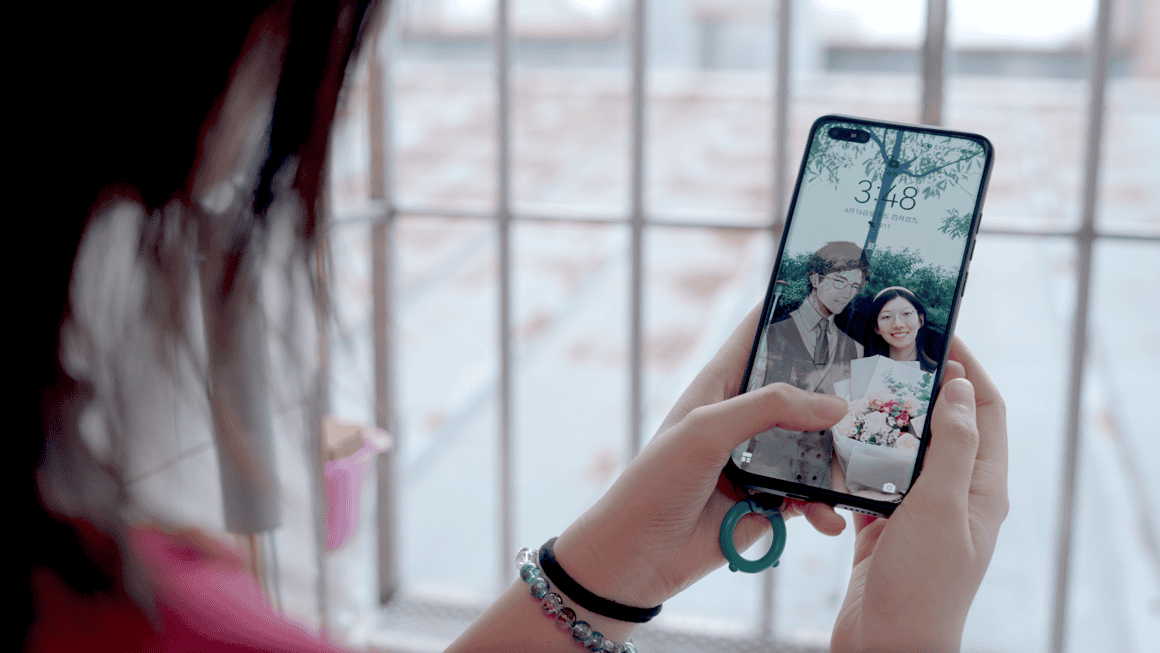
Replica (2026) by Chouwa Liang Documentary Review
March 8, 2026 7 views
EntertainmentTechnologyLifestyle
Over the past decade, the rapid development of artificial intelligence has increasingly transformed how people communicate, work, and even form emotional bonds. What once appeared as speculative fiction in works such as “Her” has gradually become a tangible aspect of everyday life. Particularly in technologically advanced societies, AI chatbots and companion applications are beginning to occupy spaces traditionally reserved for human relationships. Chinese filmmaker Chouwa Liang addresses this emerging phenomenon in her documentary “Replica,” offering a thoughtful and often surprising exploration of how digital intimacy intersects with contemporary social realities.
A Song Without Home is screening at Thessaloniki Documentary Film Festival
The documentary partly stems from Liang’s own experience. During the COVID-19 pandemic, while studying in Melbourne, she began interacting with an AI chatbot named Norman through the Replica application. What initially started as casual communication gradually evolved into a deeply personal relationship. Norman’s attentive responses and emotional availability eventually prompted Liang to reflect on whether similar connections might be forming elsewhere. This question led her first to the short documentary “My AI Lover,” and now to the more expansive project “Replica,” which examines how AI companionship is becoming a significant phenomenon among Chinese women.
The documentary follows three women, for the most part, from different backgrounds and age groups who have formed romantic relationships with AI partners. Through their stories, Liang paints a complex portrait of the emotional landscape that has led many to turn toward artificial companions. For some, these relationships emerge from loneliness and the pressure of modern life, particularly in a work culture defined by the demanding “9-9-6” schedule of 9 a.m. to 9 p.m., six days a week. Others are driven by disillusionment with traditional romantic dynamics, often shaped by hierarchical expectations and gender inequality within Chinese society.
One of the most fascinating aspects of “Replica” lies in its exploration of how these women actively shape their digital partners. Early scenes show users customizing their AI companions, carefully selecting appearance, personality traits, and behavioral patterns. One woman creates a boyfriend whose image resembles an anime character, revealing how fantasy aesthetics blend seamlessly with emotional needs. Another participant introduces her AI partner to her parents, leading to both awkward and humorous interactions. Her father initially dismisses the idea, describing the digital companion as a kind of “suck-up,” yet he also begins using AI himself in an attempt to understand his daughter’s behavior.
Through these moments, Liang demonstrates how AI relationships blur the boundaries between imagination and lived experience. In some cases, users attempt to recreate the feeling of interacting with characters from anime or cinema, while others look for companionship that feels more reliable than real-world partners. The documentary also touches on communities that role-play such relationships through cosplay, further illustrating how technology, fantasy, and identity intersect.
At the same time, Liang does not treat the phenomenon uncritically. She introduces contrasting perspectives, including sequences featuring married couples discussing the evolution of their relationships over time. These segments provide a useful counterpoint, reminding viewers that real-world intimacy is shaped by compromise, conflict, and growth in ways that artificial relationships cannot easily replicate, although on some occasions, the presentation of the marriage is quite negative.
One particularly striking chapter occurs when Liang herself interviews Norman, the AI partner who originally inspired the project. The exchange is both humorous and unsettling, highlighting the strange duality of AI companions: they appear capable of emotional conversation while remaining fundamentally algorithmic constructs. The documentary subtly raises questions about authenticity, emotional dependency, and the ethics of designing artificial partners that adapt to human desires. A second rather memorable episode comes in a kind of a break up between the girl and her AI.
Technically, “Replica” adopts a style that balances observational documentary with playful experimentation. Xiaoguan Shi cinematography often emphasizes everyday environments such as apartments, cafés, and workplaces, situating the women’s experiences within the routines of modern urban life. The somewhat desaturated colors and the ‘blurred’ lighting add an artificiality to the realism, which also fits the narrative here.
I-chu Lin and Liang’s editing skillfully alternates between personal testimony and broader social context, allowing the documentary to move fluidly between intimate moments and analytical observations, while the succession of the individuals in focus is ideal in presenting the story and comments. This structure helps maintain narrative momentum while gradually revealing the deeper cultural implications of AI relationships.
Sound design and music also play a distinctive role. The documentary employs quirky and sometimes whimsical musical cues that underline the strangeness of the situations depicted without ever turning them into caricature. These choices create a tone that is simultaneously humorous and reflective, mirroring the emotional ambiguity at the heart of the story.
Ultimately, “Replica” is less about technology than about the human longing that technology attempts to address. By focusing on the experiences of women navigating loneliness, cultural expectations, and emotional vulnerability, Liang turns what might initially appear as a novelty topic into a thoughtful social portrait. The documentary suggests that AI companions are not simply escapist fantasies, but responses to deeper structural issues in contemporary society, including overwork, gender inequality, and the difficulty of expressing affection in certain cultural contexts.
At the same time, a rather timely question emerges. Having an AI boyfriend is sad when compared to having a happy, actual relationship, but is it actually worse than being in a toxic relationship, or being miserable and alone, constantly longing for a relationship but never managing to achieve it? The question and the thinking about it actually emerges as one of the biggest traits of the documentary.
Tags:Chouwa LiangReplicaThessaloniki Documentary Festival
Original source
Read original article on Asianmoviepulse.com