
< BACK TO ARTICLES 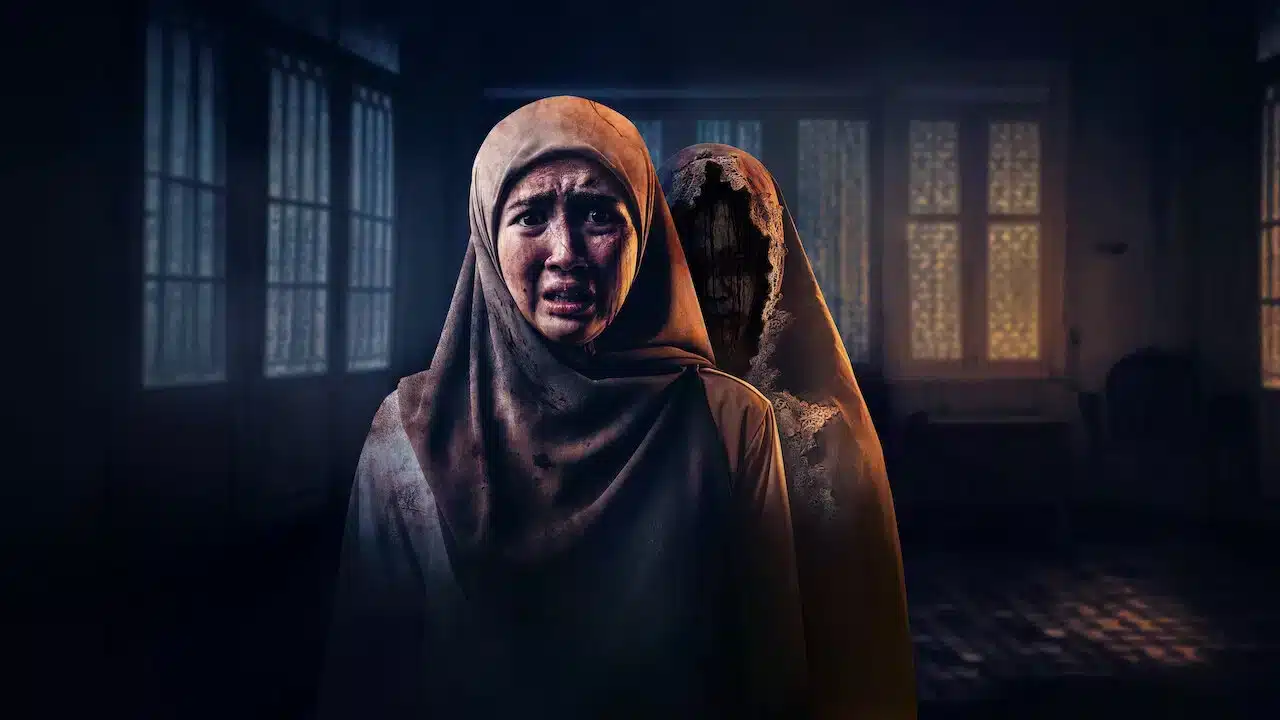
Wanita Ahli Neraka (2024) by Farishad Latjuba Film Review
March 4, 2026 18 views
EntertainmentBreaking News
In a catalogue of uninspiring horror doppelgängers featuring the umpteenth “Pontianak” (female vampire ghosts that frequent one too many Indonesian horror films), Farishad Latjuba’s latest picture stands out by imagining an even more sinister monster: the abusive devil-worshipping husband. But we are getting too far ahead of ourselves.
Click on the image below to follow our Tribute to Netflix
It all began with a call to get closer to heaven. Farah (Febby Rastanti), a pious and respectful religious schoolgirl, is all ears when a handsome visiting politician, Wahab (Oka Antara), comes looking for a bride. For in the eyes of Wahab (and indeed many patriarchal traditionalists), a “woman’s path to heaven is primarily through her husband”. With nary a time to waste, and no meet-cute for the couple, they are promptly betrothed and on the path of blissful nirvana. Alas, after a supernatural incident at one of her husband’s political rallies, Farah begins to realize that her life is about to take a nosedive into a literal hell on Earth.
Things start to get weird when Farah becomes a vessel of Wahab’s sudden obsession with the satanic dark arts, altering the seemingly docile man into a crazed and frenzied individual. When Farah experiences an incredible experience alone in the dark kitchen, the movie begins to turn up the ante to jump-scare levels of thrills, and that’s when the it delivers with its effectively eerie sound design and in-your-face scares, which come relentlessly and without warning.
The make-up and costumes are done to shockingly frightening levels, bringing with it putrid faces of corpses, demons and everything nasty in between that stick with you and elicit goosebumps aplenty. But scariest of them all is Oka Antara’s villainous turn as Wahab; his textured and complex performance makes you want to hate the man, in a mark of a truly great performance.
Haunted by themes of possession, black magic, and domestic abuse, the plot gets as dark as the difficult lighting situation, but ‘Wanita Ahli Neraka’ still manages to keep us afraid long enough to make up for that, and the disappointingly paint-by-numbers plot where you can see the ending from a mile away. Aside from that, overzealous sound effects crackle and snap into a foray of madness and mania as Farah unravels. Bringing with it another star-making performance by Febby Rastanti, who is the quintessential picture of a woman carrying the burden of many others like her, under the heavy-handed iron fist of patriarchy in a religious society.
Which brings us to the true triumph of the movie, the writing of screenwriter Lele Laila, which dares to go against the grain in a majority Islamic country to show the societal issues plaguing women. Although a common theme of Indonesian movies, this one skims the surface to show how men can be truly evil behind closed doors (and when practising black magic, of course). Gone is the seemingly untouchable husband, the imam of the wedded woman, the one that should not be defied, “you don’t want to go to hell right”. Alas, blind obedience takes a backseat to truth and justice when hell is brought to earth instead.
Ultimately, Wanita Ahli Neraka latest might not be the most inventive movie, but it shines with its textured performances by the leads and a tense, creepy edge-of-your-seat vibe that blankets the film from start to finish, making for a refreshing update to tropes tried and tested, with a punchy message to boot.
Tags:Farishad LatjubaFebby RastantiNetflixOka AntaraWanita Ahli Neraka
Original source
Read original article on Asianmoviepulse.com