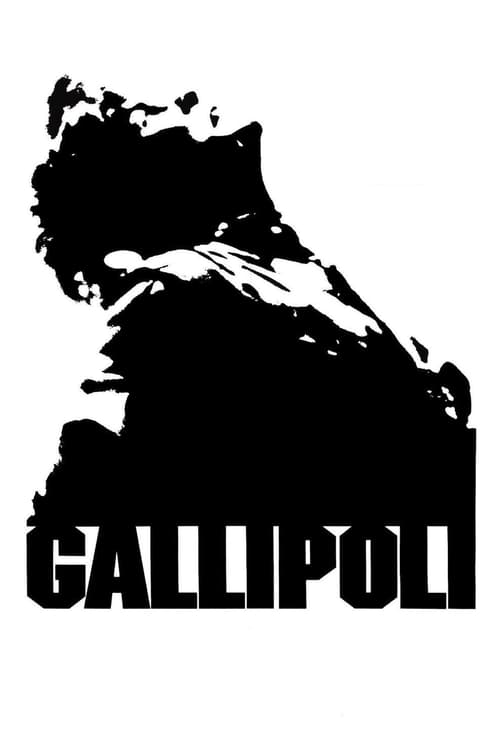
Gallipoli
- Release
- Aug 13, 1981
- Rating
- 7.1/10 (TMDB)
- Runtime
- 112 min
- Status
- Released
- Language
- English
- Budget
- $2,600,000
- Revenue
- $17,400,000
- Director
- Peter Weir
- Writers
- Peter Weir, Ernest Raymond, David Williamson
Synopsis
Two Australian sprinters face the brutal realities of war when they are sent to fight in the Gallipoli campaign in the Ottoman Empire during World War I.
Cast

Mel GibsonFrank Dunne

Mark LeeArchy Hamilton
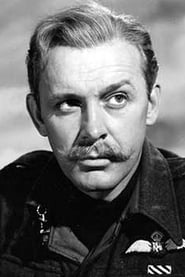
Bill KerrJack

Harold HopkinsLes McCann

Charles Lathalu YunipinguZac

Heath HarrisStockman
Ron GrahamWallace Hamilton

Gerda NicolsonRose Hamilton

Robert GrubbBilly
Tim McKenzieBarney

David ArgueSnowy
Brian AndersonRailway Foreman

Reg EvansAthletics Official 1
Jack GiddingsAthletics Official 2
Dane PetersonAnnouncer
Paul LinksonRecruiting Officer
Jenny LovellWaitress
Steve DoddBilly Snakeskin
Harold BaigentCamel Driver

Robyn GalweyMary
Crew
- Director
- Peter Weir
- Director of Photography
- Russell Boyd
- Editor
- William M. Anderson
- First Assistant Director
- Mark Egerton
- Original Music Composer
- Tommaso Albinoni
- Original Music Composer
- Jean-Michel Jarre
- Original Music Composer
- Brian May
- Screenplay
- David Williamson
- Second Assistant Director
- Steve E. Andrews
- Third Assistant Director
- Marshall Crosby
Related Films


Reviews
Curator's Review
Gallipoli (1981) — ★★★
Directed by Peter Weir. Starring Mark Lee, Mel Gibson, Bill Kerr, Robert Grubb. 110 min.
"Gallipoli" is a film about friendship that happens to end in a war crime. Peter Weir spends nearly two-thirds of his runtime on the relationship between Archy Hamilton and Frank Dunne before the killing starts, and that gamble is both the film's greatest strength and its most obvious limitation.
Archy is the idealist — a gifted sprinter from the Western Australian outback, coached by his grandfather, so desperate to enlist that he borrows the surname of a famous runner and lies about his age at the Perth recruitment office. Frank is harder to pin down. He's less eager, more cynical, and the film never quite answers why he enlists at all. Guilt? Peer pressure when his old mates sign up? Loyalty to Archy? Mel Gibson plays him as someone who drifted into a war, which works for the character but leaves a gap where his motivation should be.
Their journey from a footrace in the outback to the trenches of Turkey takes them through Cairo first, where Weir stages a series of comic culture clashes — harassing the wrong vendor, stumbling into the brothel district, a blonde religious kid warding off a merchant with a stick. It's meant to be funny, and some of it lands, but these scenes feel like they belong in a different movie. You can feel the runtime stretching.
The third act is where Weir earns his reputation. The Anzacs arrive at the peninsula already under fire, and the morale is fascinating — men laughing and joking while shells land on the beach. Frank wakes Archy up to cook breakfast: "You know what irritates me about you? You're always chipper." There's an easy warmth between them that makes what's coming unbearable. In the trenches before the assault, the religious kid takes a swig from Frank's flask to steady his nerves as someone mentions the machine guns. One mate goes down — "I thought he tripped. You know how clumsy he is." Weir understands that soldiers process death through denial, and these small moments hit harder than any battle sequence.
The final act is devastating. Mismatched watches between the British and Australian commanders mean the naval barrage lifts too early. The Turks re-man their trenches. The Anzacs are ordered to charge anyway. Archy, tagged as a runner because the commander recognizes his speed, swaps roles with Frank so he can fight — the idealist choosing the front line. Frank races back with a message from the general to stop the attack. Officers sit on the beach drinking tea. The intercutting between Frank's desperate sprint, the commander's whistle, and Archy preparing to go over the top is masterfully built. Boots hanging over the trench edge from the last wave that were cut down. Cold-blooded murder dressed up as military strategy.
Two things hold this back from greatness. The pacing sags badly in the first two acts — you can feel Weir's theatrical instincts fighting his story's urgency. And there's a synth score that kicks in during the final sequence, so aggressively 1980s that it nearly punctures the tension. It's baffling in a film that otherwise trusts its audience.
But that ending. Archy's last sprint — the same legs that won races in the outback, now carrying him into machine gun fire — and the freeze frame that refuses to show you what you already know. Wasted lives. The pointlessness of it all. Weir makes you feel the tragedy not through spectacle but through two hours of watching a friendship form, knowing exactly where it leads.
★★★
Be the first to review