
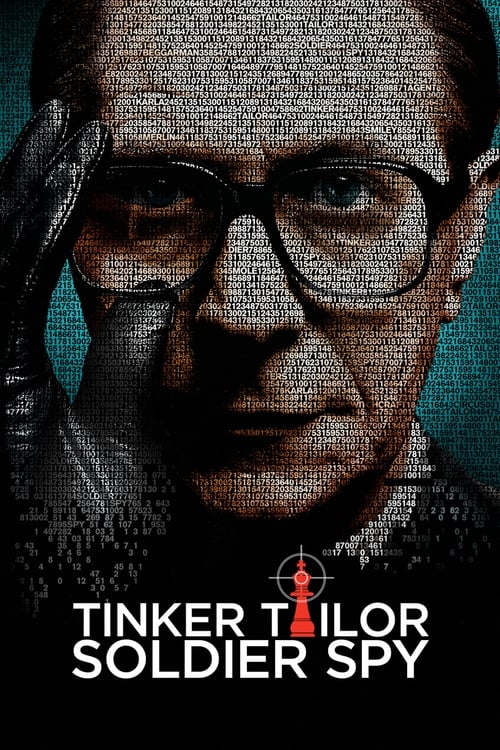
Tinker Tailor Soldier Spy
- Release
- Sep 16, 2011
- Rating
- 6.6/10 (TMDB)
- Runtime
- 127 min
- Status
- Released
- Language
- English
- Budget
- $30,000,000
- Revenue
- $81,515,369
- Director
- Tomas Alfredson
- Writers
- John le Carré, Peter Straughan, Bridget O'Connor
Synopsis
George Smiley, the aging master spy of the Cold War and once heir apparent to Control, is brought back out of retirement to flush out a top level mole within the Circus. Smiley must travel back through his life and murky workings of the Circus to unravel the net spun by his nemesis Karla 'The Sandman' of the KGB and reveal the identity of the mole before he disappears.
Cast

Gary OldmanGeorge Smiley
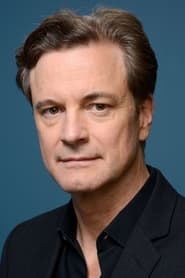
Colin FirthBill Haydon

Tom HardyRicki Tarr

John HurtControl

Toby JonesPercy Alleline

Mark StrongJim Prideaux
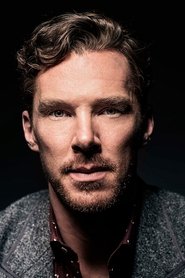
Benedict CumberbatchPeter Guillam

Ciarán HindsRoy Bland

David DencikToby Esterhase

Kathy BurkeConnie Sachs

Stephen GrahamJerry Westerby

Simon McBurneyOliver Lacon

Svetlana KhodchenkovaIrina

Roger Lloyd PackMendel

Konstantin KhabenskiyPolyakov

Christian McKayMackelvore

Zoltán MucsiMagyar
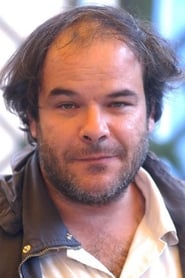
Péter Kálloy MolnárHungarian Waiter

Ilona KassaiWoman in Window

Imre CsujaKGB Agent
Crew
- Director
- Tomas Alfredson
- Director of Photography
- Hoyte van Hoytema
- Editor
- Dino Jonsäter
- First Assistant Editor
- Mark Trend
- Music Consultant
- Kirsten Lane
- Music Editor
- James Bellamy
- Music Supervisor
- Nick Angel
- Original Music Composer
- Alberto Iglesias
- Screenplay
- Peter Straughan
- Screenplay
- Bridget O'Connor
Related Films


Reviews
Curator's Review
Tinker Tailor Soldier Spy (2011) — ★★★½
Directed by Tomas Alfredson. Starring Gary Oldman, Colin Firth, Tom Hardy, John Hurt. 127 min.
"Tinker Tailor Soldier Spy" is a Cold War thriller that trusts you to keep up, and the fact that you have to work for it is exactly what makes it rewarding.
Tomas Alfredson's adaptation of John le Carré's novel strips espionage of every ounce of glamour. There are no car chases, no gadgets, no raised voices. George Smiley — played by Gary Oldman in what might be the most restrained lead performance of the last twenty years — is a retired intelligence officer pulled back in to find a Soviet mole buried inside British Intelligence. The Circus, as MI6 is known here, is rotting from the inside, and Smiley has to pick through the wreckage without anyone knowing he's looking.
The film is noir in everything but name. Muted colours, institutional hallways, men in overcoats having quiet conversations that could end careers or get people killed. The opening in Budapest sets the tone immediately — Jim Prideaux is sent to meet a Hungarian general, and the operation goes sideways in seconds. A woman almost reaches him. A baby is shot in the head. It's sudden, ugly, and the film never lets you forget that this world has real consequences, even if most of its battles are fought with filing cabinets and lies.
What Alfredson does brilliantly is use a recurring Christmas party at the Circus as an anchor. We keep returning to it in flashbacks — the singing, the camaraderie, the toasts — and each time we learn more about who was already betraying whom. It's a clever structural device that doubles as the film's emotional core: there was a time when these people trusted each other, or at least pretended to, and that time is gone.
Gary Oldman carries the film by doing almost nothing. Smiley watches, listens, adjusts his glasses, and occasionally asks a question that dismantles someone's cover story. His account of meeting Karla — the Soviet spymaster, his opposite number — in a Delhi airfield is the film's quiet centrepiece. Smiley offered him everything, even his own cigarette lighter. Karla took the lighter and said nothing. That lighter becomes the thread Smiley pulls until the whole operation unravels.
The supporting cast is stacked. Tom Hardy's Ricky Tarr is the volatile field agent whose story about a woman in Istanbul — kidnapped by the Russians and shipped to Odessa — gives Smiley the lead he needs. Benedict Cumberbatch plays Peter Guillam, Smiley's man inside the Circus, whose quiet subplot about hiding his homosexuality from his employers says more about the personal cost of the intelligence world than any monologue could. The scene where he steals files from the Circus, hands visibly shaking, is as tense as anything involving a gun.
The reveal works. I won't spoil who the mole is for anyone coming to this fresh, but Alfredson stages the final confrontation with the same restraint he brings to everything else — no shouting, just two old colleagues across a table, and "La Mer" playing on the soundtrack. Smiley eats an orange. The mole's body ends up facedown somewhere quiet. The Christmas party plays one last time, and Smiley sits in Control's old chair, almost smiling. Almost.
If the film has a weakness, it's that some threads are harder to follow than others. The subplot involving Jim Prideaux and a schoolboy he befriends after Budapest never fully clicks — it gestures at loneliness and damage but remains at arm's length. And the sheer density of codenames, safe houses, and bureaucratic manoeuvring will lose some viewers on a first watch. This is a film that rewards a second viewing, which is either a recommendation or an admission of its limitations depending on your patience.
The score deserves mention — slow piano and strings that sit underneath everything, never pushing, always present. Alberto Iglesias understands that this is a film about silence and what people don't say. The jazz cues in the early scenes give way to something sadder and more resigned as the net closes.
"A real war," someone says. "Englishmen can't be proud of." That's the film in a sentence. Left me thinking.
★★★½
Be the first to review